



Dr. Eng. Safrina Dyah Hardiningtyas, S.Pi., M.Si.
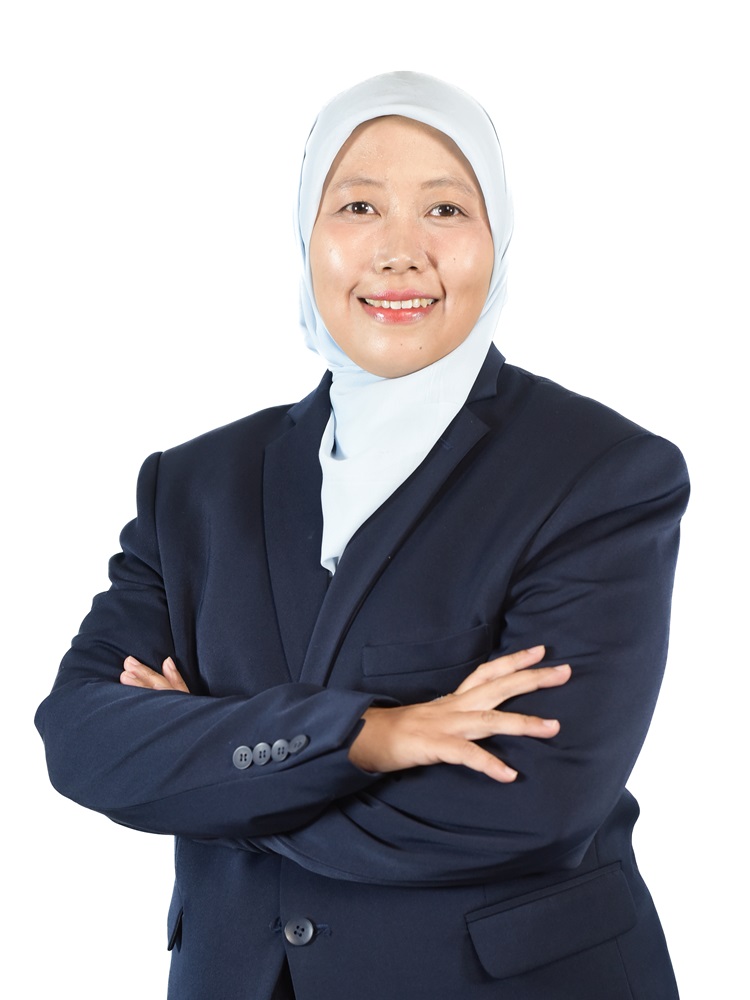
Dr. Eng. Safrina Dyah Hardiningtyas, S.Pi., M.Si.
NIP. 19880416 201404 2 001
Aquatic Biotechnology Division
Department of Aquatic Product Technology
Faculty of Fisheries and Marine Science, IPB University
Dr. Safrina Dyah Hardiningtyas is a lecturer with expertise in the field of aquatic bionanotechnology, which focuses on the utilization of biomaterials and bioactive compounds from aquatic resources. Her research includes the extraction of bioactive components such as chitin-chitosan and polysaccharides, as well as the development of nanomaterials through an environmentally friendly approach (green synthesis) using aquatic biota extracts. In addition, she also developed a nano-based delivery system for the encapsulation of active ingredients applied in cosmeceutical and pharmaceutical products. The research conducted also includes bioremediation, biotransformation using microbes, and innovations in modern extraction methods such as nanocellulose and deep eutectic solvents to produce high-value-added and sustainable products.
Academic Profile
Doctor (Dr. Eng.)
Chemical Engineering and Materials Science
Kyushu University, Japan (2018)
Master of Sciences (M.Si.)
Aquatic Product Technology
IPB University, Indonesia (2012)
Bachelor (S.Pi.)
Aquatic Product Technology
IPB University, Indonesia (2010)
Research Interest
- Aquatic BioNanotechnology
Research Topics
- Extraction of bioactive components, chitin-chitosan, and polysaccharides
- Biosynthesis of nanomaterials using aquatic plant extracts
- Development of delivery systems for the encapsulation of active compounds for the development of cosmeceutical and pharmaceutical products
- Bioremediation & Biotransformation
Flagship Projects
- Production of fungal biopolymers (exopolysaccharides and chitin-chitosan) (BIMA)
- Development of nano-delivery systems for active compounds
- Green synthesis of nanomaterials using extracts of aquatic organisms
- Biological extraction of biomaterials (marine molds or enzymes)
- Biotransformation of active components using microbes
- Extraction of nanocellulose from aquatic plants
- Extraction and purification of active compounds using deep eutectic solvents
Recent Publications
- Valorization of the Brown Seaweed Sargassum sp. As a Sole Carbon Source for Marine Endophytic Fungus Aspergillus Flavus KTR49 Cultivation, 2026
- Potential of Indonesian Marine Endophytic Fungi as Extracellular Enzymes Producers, 2026
- Physicochemical profile and bioactivity of oligo-ulvan from Ulva ohnoi seaweed depolymerized by different physical methods, 2026
- Green extraction and purification of phycocyanin from Spirulina platensis: Evaluation of its bioactivity and photoprotection, 2025
- Alginate–cellulose nanofiber hydrogel for stable microalgae immobilization for phycoremediation of aquaculture wastewater, 2025